Impact of your support
Your donations make a real, long-lasting impact on the lives of the women who take part in our one-year Stronger Women, Stronger Nations programme. We measure the impact of the programme's success by speaking to women before they enrol and after they graduate so we can make sure we are monitoring the impact of the training and keep on improving on our work.
Our impact
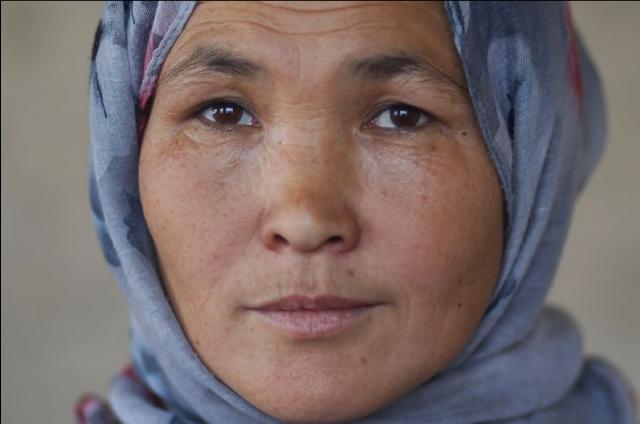
Average woman before enrolling in our programme

poverty-stricken
majority of women and girls in our programme earn below the international poverty line ($2.15 per day)

31-40 years old, married, a mother
an average woman in our programme has a large family to take care of

illiterate
Girls living in conflict and crisis areas are 90% more likely to be out of school than girls living in safe areas (Source: World Bank). 41% of women in our programme have no formal education.
Stronger Women, Stronger Nations programme
Changing the world, one woman at a time
Our programme helps women to build skills, knowledge and resources so that they can forge their own path and achieve long term security and self-reliance.
As each woman participates in our year-long Stronger Women, Stronger Nations programme, she works to strengthen herself across four critical areas of social and economic empowerment. Here are just a few of the many changes a sample of our graduates report seeing in their lives.
Results show that in just one year, women are able to make significant and measurable improvements in their lives and deliver lasting impact for their families and communities.
key stats
675,544
cumulative women and girls served and reached
90%
percentage of women who disagree that violence against women can be justified (compared to 59% before starting the programme)
73%
percentage of participants whose savings have increased by the end of the programme
Key outcomes

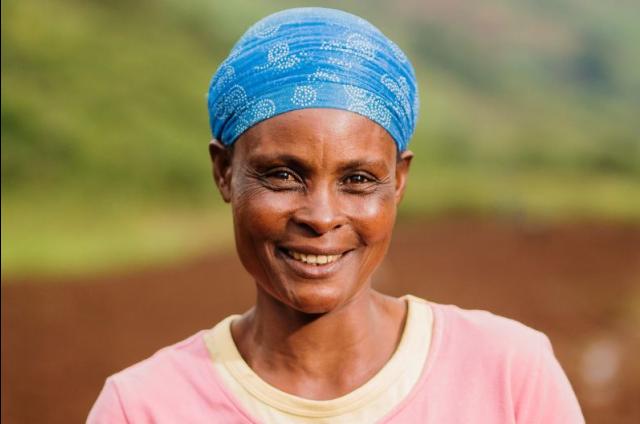
Women Earn and save money
Why it matters: Learning how to earn money, receiving a monthly stipend, and setting aside savings gives women the ability to provide for their family's needs and invest in a new future.
What our graduates report: 43% of women report an increase in their earnings and 73% report an increase in their savings.
Women Develop Health and Well-being
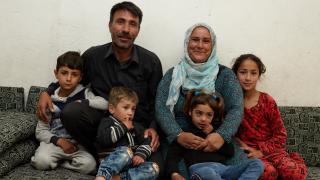
Why it matters: Basic health education and connecting with local care providers enables women to best protect their and their family's well-being.
What our graduates report: 65% of women have increased their health and well-being.
The number of women practising family planning increased from 36% to 52%.
Women INFLUENCE DECISIONS IN THEIR HOMES AND COMMUNITIES
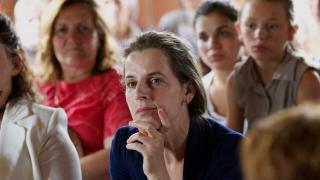
Why it matters: Education on household issues allows women to better influence the decisions that affect their families.
What our graduates report: Percentage of women involved in household financial decisions increased from 42% to 78%.

Women Connect to support networks
Why it matters: When a woman joins the programme, she comes together with 24 other women, forming a tight support group that helps to break the isolation caused by war and insecurity.
What our graduates report: Globally the percentage of women who were members in any kind of business or social group at the time of survey, increased from 33% to 51% after one year in our programme.
Read more

The Global Goals
subtitle:
In 2015, world leaders agreed to 17 Global Goals to end poverty, fight inequality and stop climate change. We are concerned that marginalised women survivors of conflict are being failed by the Goals and are continuing to be left behind.
Stories
subtitle:
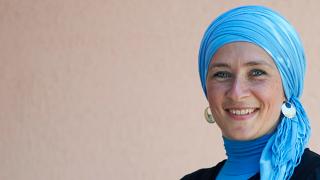
Read the stories of the incredible women survivors of war that Women for Women International supports.
Our programmes
subtitle:
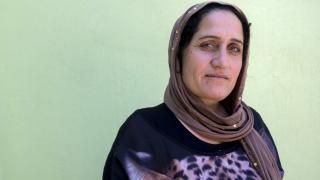
Participants in our year-long programme work to strengthen themselves across four critical areas of social and economic empowerment.